Healing with Bloom: Exploring the Power of Floral Therapy and Flower Essences


Floral therapy offers a unique way to connect with nature and promote emotional well-being. Using flowers and their essences, this approach supports mental balance and relaxation without relying on medication. Whether through flower essences like Bach flower therapy or arranging blooms at home, floral therapy taps into the natural healing power of plants. This post explores what floral therapy is, how flower essences work, the role of flower colors, and practical ways to use flowers for emotional support.
What Is Floral Therapy?
Floral therapy involves using flowers to improve emotional and psychological health. It is based on the idea that flowers carry subtle energies or vibrations that can influence mood and mental states. This therapy can take many forms, including:
Using flower essences, which are liquid extracts made from flowers.
Creating flower arrangements is a mindful, calming activity.
Experiencing the colors and scents of flowers to evoke positive feelings.
Unlike traditional herbal medicine, floral therapy focuses more on emotional healing than physical symptoms. It encourages mindfulness, relaxation, and a deeper connection with nature.
Flower Essences and Bach Flower Therapy

One of the most well-known forms of floral therapy is Bach flower therapy. Developed by Dr. Edward Bach in the 1930s, this method uses 38 flower essences to address specific emotional challenges. Each essence targets a particular feeling, such as fear, loneliness, or indecision.
Flower essences are made by soaking flowers in water under sunlight, capturing their energetic imprint. This water is then diluted and preserved with alcohol. People take these essences orally or apply them topically to help balance emotions.
For example:
Rescue Remedy is a popular blend used for stress and anxiety.
Mimulus helps with fear of known things, like public speaking.
Walnut supports those going through change or transition.
Research on Bach flower therapy shows mixed results, but many users report feeling calmer and more centered. It is considered safe and gentle, making it a popular complementary approach.
DIY Flower Arrangement as a Form of Therapy
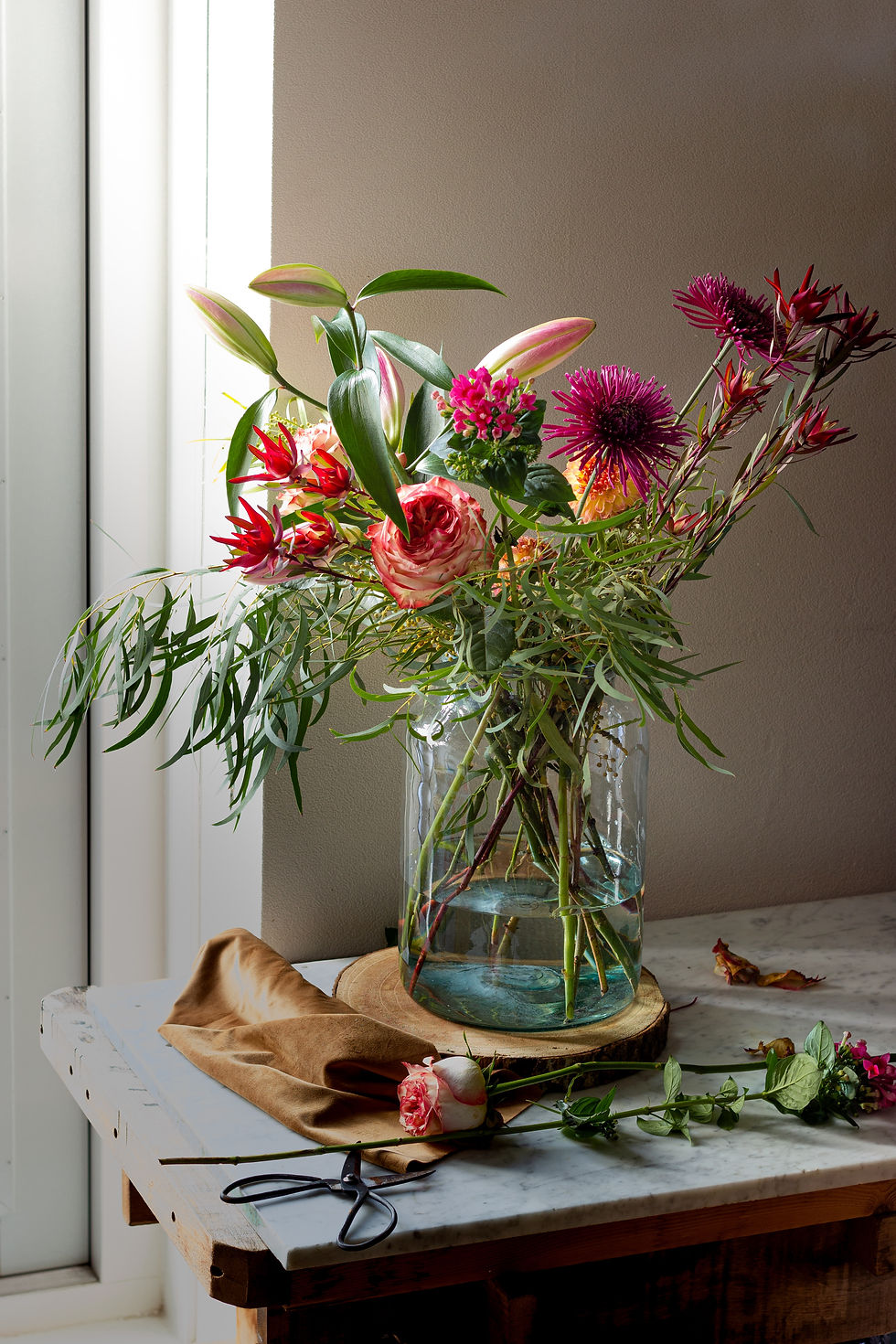
Arranging flowers at home can be a simple yet powerful way to practice floral therapy. The process encourages mindfulness, creativity, and a break from daily stress. Here’s why it works:
Focus and presence: Selecting and placing flowers requires attention, which helps quiet the mind.
Sensory engagement: The colors, shapes, and scents of flowers stimulate the senses and evoke positive emotions.
Sense of accomplishment: Creating a beautiful arrangement boosts mood and self-esteem.
To try this yourself, gather a variety of fresh flowers and greenery. Choose colors that resonate with your current mood or desired feeling. For example, yellow flowers can uplift, while blue tones promote calm. Spend time arranging the blooms in a vase or container, noticing how the process affects your thoughts and feelings.
The Role of Flower Color in Emotional Healing
Colors play a significant role in floral therapy. Different flower colors can influence mood and energy levels:
Red symbolizes energy, passion, and courage.
Yellow brings joy, optimism, and mental clarity.
Blue promotes calm, peace, and relaxation.
Pink encourages love, compassion, and nurturing.
White represents purity, clarity, and new beginnings.
Choosing flowers based on color can enhance the therapeutic effect. For example, someone feeling anxious might benefit from blue or white flowers to soothe nerves. Someone needing motivation might choose red or yellow blooms.
Eisenman Flower Therapy and Its Approach
Eisenman flower therapy is a lesser-known but valuable approach that combines flower essences with psychological insights. It focuses on how flowers can support personal growth and emotional healing by addressing subconscious patterns.
This therapy often involves:
Identifying emotional blocks or fears.
Selecting flower essences that resonate with those issues.
Using the essences alongside counseling or self-reflection.
Eisenman’s method highlights the connection between flowers and the human psyche, offering a holistic path to healing.
Practical Tips for Using Floral Therapy Daily
Incorporating floral therapy into your routine can be simple and rewarding. Here are some ideas:
Keep fresh flowers at home or work to boost mood and create a calming environment.
Use flower essences like Bach remedies to support emotional balance during stressful times.
Practice flower arranging as a mindful hobby to reduce anxiety and increase creativity.
Choose flower colors intentionally to match your emotional needs.
Combine floral therapy with other self-care practices such as meditation or journaling for deeper benefits.
Final Thoughts on Healing with Flowers
Floral therapy offers a gentle, natural way to support emotional health. Whether through flower essences, arranging blooms, or simply appreciating flower colors, this approach helps people reconnect with nature and their inner selves. While it is not a substitute for professional mental health care, floral therapy can complement other treatments and promote well-being.


Comments